
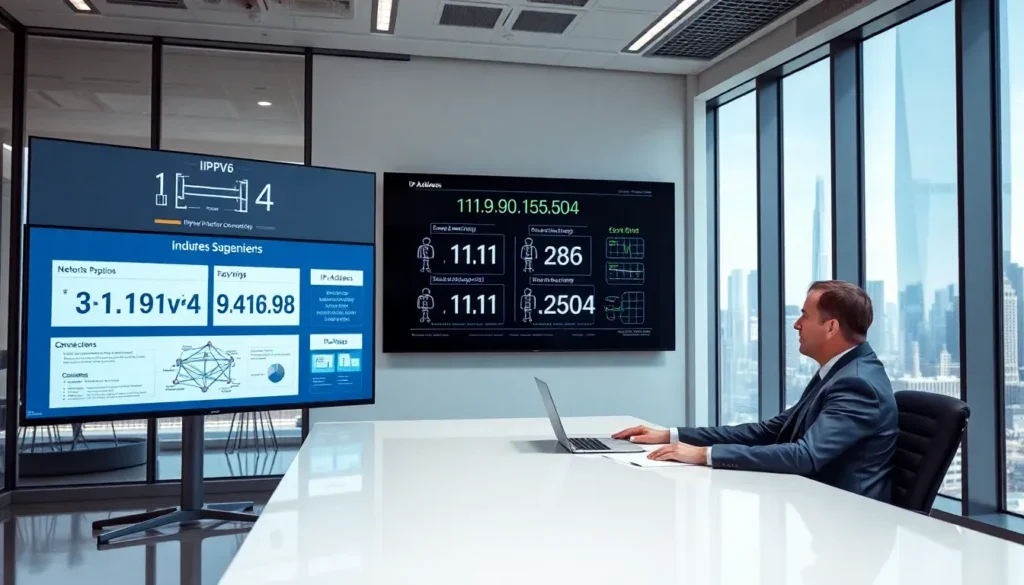
Understanding IP Addresses
IP addresses, or Internet Protocol addresses, are essential alphanumeric identifiers used by devices to communicate over a network. Acting as unique labels, they help route messages between devices connected to the internet. Each device, whether a personal computer, smartphone, or server, requires an IP address to facilitate data transmission and reception. This system is pivotal for establishing an online presence and ensuring seamless connectivity.
IP addresses can be categorized into 111.90.150.504 two main types: IPv4 and IPv6. IPv4, which consists of a series of four numbers separated by periods (e.g., 192.168.1.1), has a finite number of combinations—approximately 4.3 billion unique addresses. However, due to the exponential growth of internet-connected devices, this method of addressing is becoming insufficient. In response, IPv6 was introduced, which employs a more complex format, allowing for an almost infinite number of unique addresses. An IPv6 address typically appears as eight groups of four hexadecimal digits, separated by colons (e.g., 2001:0db8:85a3:0000:0000:8a2e:0370:7334).
The primary function of an IP address is to identify devices and their locations on a network. This identification is crucial for data packets to reach their intended destinations. Each time a device sends or requests data, its IP address is included, allowing the receiving server to know where to send the information. Furthermore, IP addresses help in localization, as they provide details about the geographical region from which a device is accessing the network. This functionality is beneficial not only for server communication but also for enhancing user experience through location-based services.
An example of a specific IP address, such as 111.90.150.504, illustrates how these identifiers are structured and demonstrates the role they play in ensuring that data can be accurately directed to and from devices on the internet.
Analyzing 111.90.150.504: Origins and Usage
The IP address 111.90.150.504 presents an intriguing case for analysis within the realm of digital networking. Typically, IP addresses can reveal a substantial amount of information regarding their geographical origins and associated organizations. In the case of 111.90.150.504, it is allocated within the Asian region, with a specific concentration in Southeast Asia, particularly in countries with burgeoning internet infrastructures.
The Internet Service Provider (ISP) managing this particular address is known for catering to both residential and commercial users. The allocation of 111.90.150.504 falls under a broader subnet that is utilized by various subscribers, making it an IP address that could be shared among multiple entities. This shared nature can sometimes complicate tracking specific activities or actions back to an individual user due to the dynamic allocation practices of ISPs.
Notably, certain incidents have rocked the digital waters in which this IP address resides. There have been reports linking the address to periods of heightened malicious activities, including spam operations and attempts at unauthorized network access. Studies conducted on traffic originating from 111.90.150.504 indicate a correlation with unusual traffic patterns, which sparked investigations into its proper usage and reputation. Network security firms often monitor such activity to protect users from potential threats posed by internet traffic emerging from problematic IP addresses.
The implications of these findings emphasize the importance of vigilance in internet usage related to different IP addresses, including 111.90.150.504. Awareness of the origins, typical usage, and notable incidents linked to specific IP addresses can enhance overall cybersecurity practices for both individual users and larger organizations navigating the complexities of today’s digital landscape.
Security Risks and Privacy Concerns of IP Addresses
IP addresses, including the unusual one 111.90.150.504, present a variety of security risks and privacy concerns for internet users. One of the primary vulnerabilities stems from the fact that IP addresses can be easily tracked. Each time a user connects to the internet, their device is assigned an IP address, which can reveal geographic location and, in some cases, specific identity information. This tracking capability can be exploited by malicious actors for various purposes, including targeted attacks, phishing scams, or even identity theft.
Another significant concern is the exposure of geolocation information associated with specific IP addresses. Most IP addresses are tied to a physical location, offering potential adversaries insights into where an individual lives or works. When users transmit data over the internet, their IP address can be captured and analyzed to pinpoint their exact location, posing a risk to both personal safety and privacy. For instance, an individual who frequently accesses sensitive information from a particular location could be vulnerable to physical threats if their geographic position is widely known.

To mitigate these risks, users must take proactive measures to protect their online privacy. Utilizing virtual private networks (VPNs) can mask a user’s true IP address, making it difficult for malicious entities to track their online activities or pinpoint their location. Additionally, employing firewalls and regularly updating security software can assist in protecting against unauthorized access to personal devices.
Furthermore, awareness of the security implications of revealing an IP address is crucial. By practicing safe browsing habits and being cautious about the information shared online, users can enhance their cybersecurity posture significantly. Ultimately, understanding the security risks associated with IP addresses like 111.90.150.504 and implementing protective strategies can lead to a safer online experience.
Future of IP Addresses in a Digital World
As we navigate through an increasingly interconnected digital landscape, the future of IP addresses is poised for significant transformation. The transition from IPv4 to IPv6 marks a pivotal moment in the evolution of networking, driven largely by the burgeoning number of devices connecting to the internet. With estimates suggesting that there are over 20 billion devices currently online, the traditional IPv4 system, which allows for approximately 4.3 billion unique addresses, is rapidly becoming inadequate. This inadequacy highlights the urgency of adopting IPv6, which boasts an almost limitless address space, thus preventing situations where addresses like 111.90.150.504 may become obsolete.
The implementation of IPv6 not only resolves the address scarcity issue but also introduces enhanced features. Improved security protocols, better multicast routing, and simplified address assignment are just a few of the benefits IPv6 brings to the table. Additionally, as cloud computing and the Internet of Things (IoT) continue to gain traction, the requirements for unique IP addresses will grow exponentially. Each connected device must have a distinct address to communicate effectively, making the adoption of IPv6 increasingly critical.
Moreover, advancements in networking technology, such as 5G and various edge computing strategies, will further influence how IP addresses are allocated 8442036866 and utilized. These technologies create new environments where numerous devices can engage in real-time data transmission, requiring robust IP management systems to assure connectivity and optimize performance. IP addresses like 111.90.150.504 may still be relevant in certain contexts; however, they need to be integrated into a broader framework that accommodates a seamless user experience across multiple platforms.
In summary, as we stand on the precipice of a new era in networking, the future of IP addresses, anchored by technological advancements and the widespread adoption of IPv6, will shape the fabric of our digital world. Ensuring that we adapt to these changes is paramount for maintaining connectivity in an ever-evolving internet landscape.
